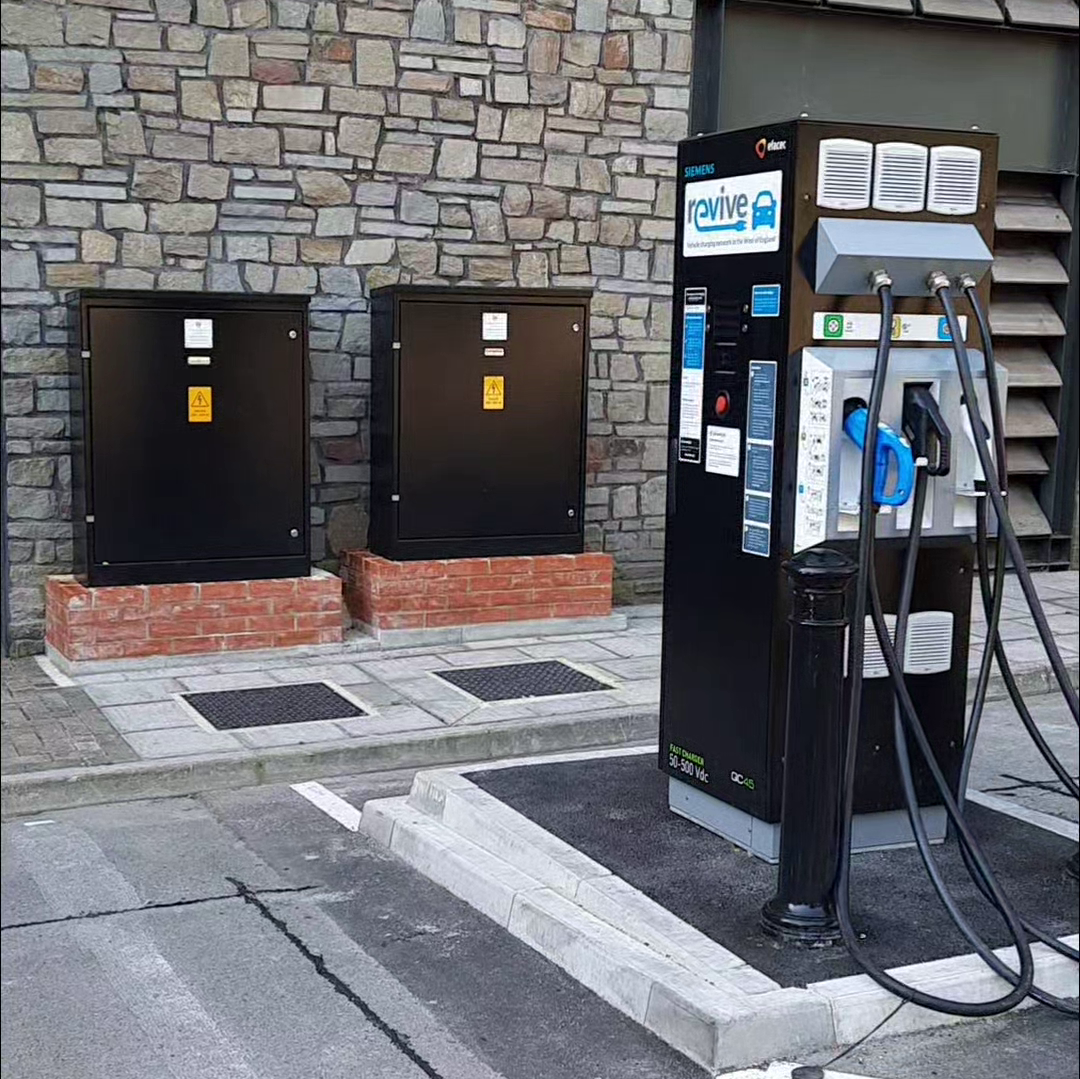
The recent heatwaves across the UK and Europe have caused huge disruption. It’s amazing how many everyday tasks are impacted. This includes the charging of electric vehicles.
 While there is no maximum temperature for charging electric vehicles (EVs), extreme heat can affect charger performance.
Commercial charge points, and especially fast chargers, generate heat when transferring the energy needed to charge a vehicle. Usually, they can dissipate excess heat into the surrounding air. The record-breaking temperatures we’ve experienced recently make this incredibly difficult.
While chargers and distribution cabinets are fitted with safety measures, extreme heat may still trigger three major risks:
1. Thermal throttling – internal sensors reduce power output when temperature limits are reached. This means a fast charger (150kW) may drop to 50kW. While this protects the device’s electronics, it creates longer charge times and frustrates EV drivers.
2. Automatic thermal shutdowns – if thermal throttling fails to cool the unit to a safe operational temperature, safety switches trigger a complete shutdown. Charging can’t resume until the internal components cool sufficiently.
3. Faster component wear – continual heatwave temperatures force cooling pumps and fans to run at maximum capacity for long periods. Extreme heat can also degrade circuit boards and rubber cable jackets.
‘It’s important to consider the potential risks involved when charging EVs during extreme temperatures,’ says Alan Read, Sales Manager at Charles Endirect. ‘However, proactive steps can be taken to help protect the charging infrastructure and keep charging services available when needed.’
Protecting Commercial Charge Points and Distribution Cabinets
Site considerations
 Where charging equipment is installed can make a significant difference to how well it copes with heat. Installation should always follow the manufacturer’s clearance and ventilation requirements. Charging cabinets need enough space around them for air to circulate and heat to escape.
Shade, canopies, and other forms of shelter can reduce direct sun exposure, helping keep charging equipment and vehicles cooler during the hottest part of the day. Solar canopies can also provide an opportunity to generate renewable electricity on site.
The surrounding environment is important. Dark asphalt, concrete and building walls can absorb and radiate heat, creating significantly higher temperatures around equipment.
Even the colour of the device can impact the heat it attracts. Black is the hottest colour and the least visible, creating an additional safety consideration. At Charles Endirect, our electrical distribution cabinets are available in green and grey as well as black as standard, however we are not limited to these colours and can do any colour to your specification. These feeder pillars can be branded too! We have a great example at our Wincanton site.
Preventative maintenance
Extreme weather can expose weaknesses in equipment that might otherwise go unnoticed. Cooling equipment, coolant levels and charging cables need extra attention. Fans and filters need additional inspection to ensure they operate as efficiently as possible.
Smart demand management
Charging management systems can help operators manage power output when temperatures are particularly high. Letting equipment reach its thermal limits can cause unexpected shutdowns. Operators can proactively manage charging rates where technology and operating requirements allow.
For commercial fleets, there may also be an opportunity to move energy-intensive charging to cooler periods, such as overnight. This can reduce the thermal load on equipment while helping operators manage demand across the electricity network.
Designing for a hotter future
Extreme heat is just one of the environmental pressures that modern EV infrastructure needs to withstand. Equipment resilience should be considered alongside cost, performance and energy efficiency from the outset.
‘Planning ahead to prevent problems is always better than remedial work,’ advises Alan ‘Now is the time to ensure there are no weaknesses in your charging infrastructure.‘
Are you planning or managing electric vehicle charging infrastructure? Talk to the team at Charles Endirect. Let’s explore the potential with an initial discussion without obligation. We’re here to help.
(Sources: Exicom, ScienceDirect, Echelon, August 2026)